
The evolution of braces: from traditional brackets to clear aligners
A look at the progress made in orthodontics. The history of braces is a story of progress and innovation. From the early days of traditional metal brackets to the modern technology of invisible braces – orthodontics has evolved continuously. In this article we take a look at how braces have developed and the advantages that modern technologies bring.
The beginnings of teeth straightening: traditional metal brackets
1. The origins:
The first attempts to correct misaligned teeth date back to ancient Greece and Rome. Back then, orthodontists used primitive wire and band devices to move the teeth. These early methods laid the foundations for modern orthodontics.
2. The era of metal brackets:
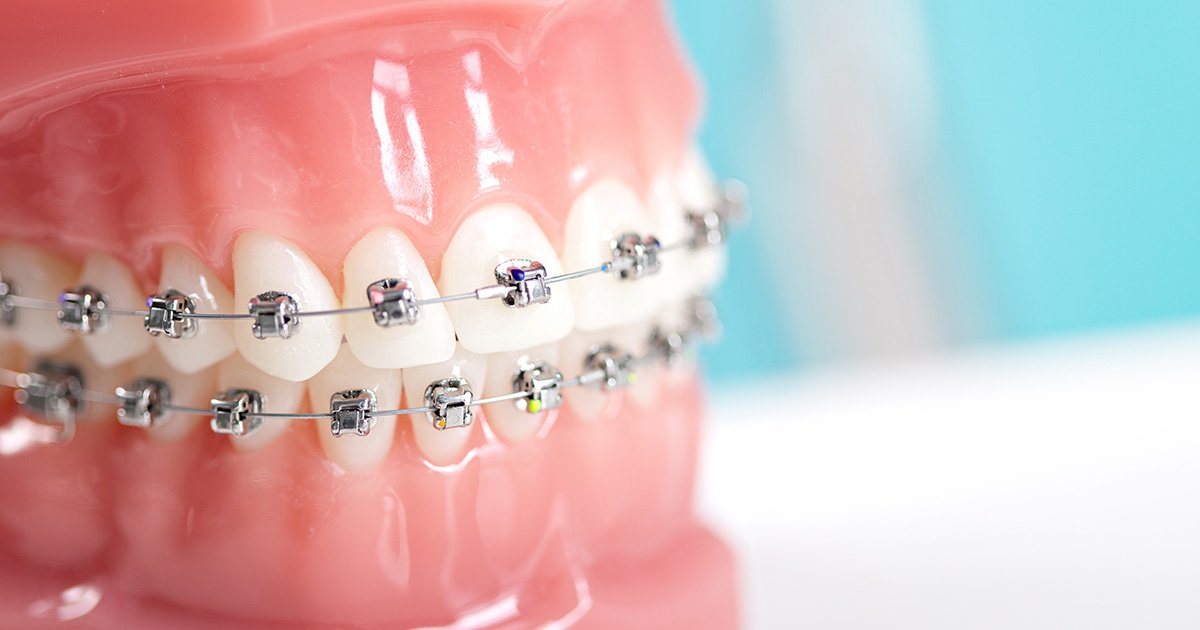
Metal brackets became popular in the 1970s. These brackets were made of stainless steel and bonded to the teeth. Connected by archwires, they could move the teeth into the desired position. Metal brackets were robust and effective, but they also had disadvantages such as discomfort and aesthetic concerns.
Advances in orthodontics: ceramic brackets and self-ligating brackets
1. Ceramic brackets:
Ceramic brackets were introduced in the 1980s. These brackets were tooth-coloured and less noticeable than metal brackets. They offered a more attractive option while keeping the same functionality. Ceramic brackets were particularly popular with adults looking for a more discreet solution.
2. Self-ligating brackets:
The introduction of self-ligating brackets in the 1990s marked a further step forward. These brackets had a special mechanism that held the wire without elastic bands. This reduced friction and could shorten the treatment time. Self-ligating brackets were more comfortable and required fewer check-ups.
The invisible braces revolution: aligners
1. The arrival of aligners:
Aligners were introduced in the 1990s and revolutionised orthodontics. They are a series of custom-made, transparent plastic aligners that gradually move the teeth into the desired position. These aligners are almost invisible and can be taken out for eating, drinking and cleaning your teeth.
2. Advantages of aligners:
- Invisible: Aligners are almost invisible and offer a discreet solution for straightening teeth.
- Comfort: The smooth plastic aligners cause less irritation and are more pleasant to wear.
- Hygiene: Because the aligners are removable, oral hygiene is easier.
- Predictability: Modern 3D technology allows the course of treatment to be planned and visualised precisely.
3. All age groups:
Aligners are suitable for adults as well as teenagers. For children and teenagers there are special features such as replacement aligners and indicators that monitor wear time, to make sure the aligners are worn regularly.
Conclusion: the future of teeth straightening
The evolution of braces from traditional metal brackets to clear aligners shows how far orthodontics has come. Modern technologies offer not only aesthetic advantages, but also greater comfort and better oral hygiene. The future of teeth straightening looks promising as the technology continues to advance.
Book your free consultation at the Eltz Institut für Zahnregulierung now
Let our experts advise you and find out more about the modern options for straightening teeth. Arrange a free consultation at the Eltz Institut für Zahnregulierung today. Book your appointment online and discover the advantages of aligners and other innovative treatment options!